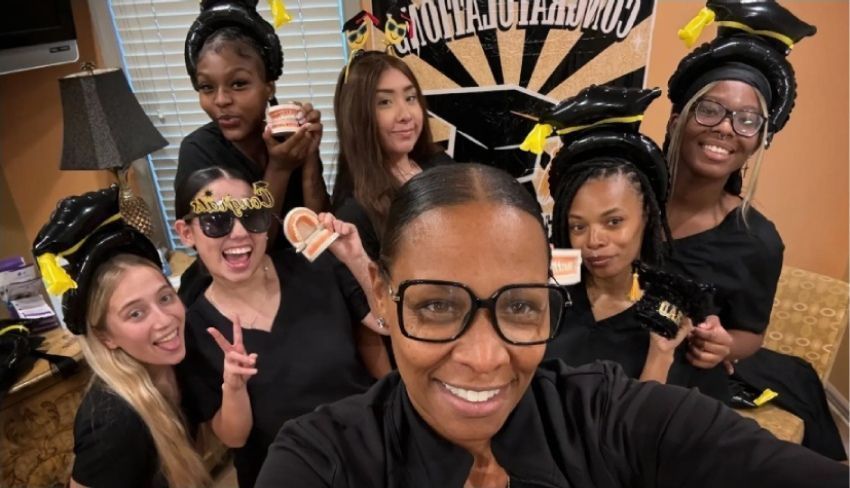
Dental Assistants Recognition Week 2026: Celebrating the People Who Keep Dental Offices Running in Elizabethtown
Every March, dental offices across the country take a moment to recognize the people who make everything run — the dental assistants. Dental Assistants Recognition Week 2026 falls on March 1–7, and it’s a chance to acknowledge a role that most patients benefit from but few fully understand.
If you’ve ever had a dental appointment that felt smooth and comfortable — where the X-rays were done quickly, the room was perfectly set up, and someone talked you through what was happening — a dental assistant was the reason. Here’s what the week is about, what dental assistants actually do, and why this might be the career worth exploring.
What is Dental Assistants Recognition Week?
Dental Assistants Recognition Week has been observed annually since 1975, sponsored by the American Dental Assistants Association (ADAA). It falls during the first full week of March every year — in 2026, that’s March 1 through March 7.
The week is designed to:
- Recognize the critical contributions dental assistants make in dental practices
- Raise public awareness of the profession and its importance
- Celebrate the skills, dedication, and professionalism of dental assistants nationwide
- Encourage anyone considering the career to take the first step
Dental offices often mark the week with team celebrations, social media shoutouts, patient appreciation messages, and small events honoring their assistants. Some state dental associations organize awards and recognition programs.
What dental assistants actually do (and why it matters)
Dental assistants are the backbone of every dental practice. They’re the first person a patient sees in the operatory and the last person they talk to before leaving. Their work spans clinical skills, patient care, and office operations — often all in the same hour.
Clinical responsibilities
This is the hands-on, chairside work that keeps procedures running efficiently:
- Chairside assisting — passing instruments, operating suction, retracting tissue, mixing materials, and maintaining a sterile field during procedures
- Dental radiography — taking X-rays (bitewings, periapicals, panoramics), ensuring proper positioning and radiation safety
- Infection control — sterilizing instruments after every use, disinfecting operatories between patients, managing sharps and biomedical waste
- Dental materials — mixing impressions, preparing composites and cements, fabricating temporary crowns
- Patient preparation — seating patients, reviewing medical histories, explaining procedures, and managing anxiety
Patient-facing responsibilities
Dental assistants often set the tone for the entire patient experience:
- Greeting patients and making them comfortable
- Explaining what’s about to happen in plain, reassuring language
- Calming nervous patients — especially children and people with dental anxiety
- Providing clear aftercare instructions
- Answering questions with patience and empathy
Administrative contributions
In many offices — especially smaller practices — dental assistants also handle front-office tasks:
- Scheduling and confirming appointments
- Updating patient records and charting
- Verifying insurance coverage
- Managing supply orders
- Maintaining HIPAA compliance in all communications
This combination of clinical skill, personal warmth, and organizational ability is what makes dental assistants indispensable.
Why dental assisting is a career worth considering
If Dental Assistants Recognition Week has you thinking about whether this career could work for you, here’s what makes it attractive:
Fast training, real results
You don’t need a four-year degree. Focused training programs can prepare you in as few as 12 weeks, with hands-on practice in real dental offices — not just classroom simulations.
Strong job demand
The Bureau of Labor Statistics projects dental assistant employment to grow steadily through the next decade. Dental offices in Elizabethtown and across the country are hiring trained, certified assistants.
Competitive pay
The national median salary for dental assistants is approximately $46,000–$48,000/year (BLS, 2026). Experienced assistants in specialty practices can earn $52,000–$60,000+.
Meaningful work
Every day, you’re helping people take care of their health. You’re calming a nervous child before their first cleaning. You’re assisting during a procedure that relieves someone’s pain. The work is tangible and personal.
Career growth
Dental assisting isn’t a dead end. With experience, you can advance into lead assistant roles, office management, specialty practices (oral surgery, orthodontics, periodontics), or use it as a foundation for dental hygiene or other healthcare careers.
Accessible entry
No college degree required. No science prerequisites. No years of waitlists. Programs accept students with no prior healthcare experience — and the training is designed to take you from beginner to job-ready.
Debt-free training
Unlike careers that require a four-year degree and $50,000+ in student loans, dental assistant training typically costs a fraction of that. Many programs offer payment plans that let you graduate without owing anything, so your first paycheck goes into your pocket — not toward loan payments.
The numbers behind the career
The data makes a strong case for dental assisting as a career worth pursuing:
- Job growth: The BLS projects dental assistant employment to grow faster than average through the next decade
- Total positions: Over 370,000 dental assistants work in the U.S., with new positions opening every year
- Median salary: Approximately $46,000–$48,000/year nationally, with top earners exceeding $60,000
- Training time: As few as 12 weeks in focused programs
- Return on investment: Low training cost relative to strong, stable earning potential
For a career that requires no college degree, those numbers are hard to beat.
A day in the life: what dental assistants actually experience
It’s one thing to list job duties — it’s another to understand what the day actually feels like. Here’s a realistic snapshot:
7:30 AM — Arrive at the office, review the day’s schedule, prepare operatories for the first patients. Check instrument trays, set up materials, verify X-ray equipment is ready.
8:00 AM — First patient arrives for a routine cleaning and exam. You take updated medical history, seat the patient, set up the tray, and take any needed X-rays before the dentist begins.
9:30 AM — A crown preparation. You’re chairside for 45 minutes — passing instruments, operating suction, mixing impression material, fabricating a temporary crown. This is the kind of work that makes the day go quickly.
11:00 AM — Between patients, you sterilize instruments, restock supplies, and update patient records in the EHR system.
12:00 PM — Lunch break.
1:00 PM — Afternoon appointments: a filling, a pediatric exam (you’re the one calming a nervous 6-year-old), and an emergency extraction. Every appointment is different.
4:30 PM — Final sterilization run, operatory breakdown, and preparation for tomorrow’s schedule.
The variety is what most dental assistants say they love about the job. No two days are exactly the same.
How to celebrate Dental Assistants Recognition Week
Whether you’re a practicing dental assistant, a dental office manager, or someone exploring the career, here are a few ways to participate:
If you work with dental assistants:
- Thank them — specifically and genuinely, for the things they do that keep your practice running
- Share their contributions on social media with the hashtag #DentalAssistantsRecognitionWeek
- Organize a team lunch, small gifts, or recognition certificates
- Write a recommendation or testimonial for a colleague
- Feature your dental assistants on the practice’s website or social channels
If you’re considering the career:
- Research local training programs in Elizabethtown
- Talk to a dental assistant about their day-to-day experience
- Visit a school’s website and explore program details
- Shadow a dental office if possible — seeing the work firsthand is the best way to know if it’s right for you
- Take the first step — enrollment is simpler than most people expect
Ready to join the profession?
Dental Assistants Recognition Week celebrates the people who make dental care possible. If you want to be one of them, training is closer — and faster — than you think. Programs in Elizabethtown can have you trained and certified in as few as 12 weeks, with hands-on practice in real dental offices and no prior experience required.
- Explore the program: Program details
- Review tuition and payment plans: Tuition
- Talk to our team: Contact
- Apply: How to apply
You're 12 weeks from the dental assistant career you deserve.